Selling in Bernal Heights starts online, where buyers decide in seconds whether to book a showing. On a hillside with older floor plans and prized views, presentation is everything. In this guide, you’ll get a simple, local staging plan, what to fix first, costs and timelines, and the must‑do San Francisco disclosures to keep your sale on track. Let’s dive in.
Why staging matters in Bernal Heights
Bernal Heights homes often live on light, outlooks, and walkability along Cortland Avenue. Many buyers value easy access to parks and neighborhood services, which the area’s strong Walk Score profile supports. Your staging should highlight light, space, and flow so buyers can picture daily life here.
Staging consistently pays off. In the National Association of REALTORS 2025 Profile of Home Staging, many agents reported that staging reduced time on market and increased offers by 1 to 10 percent in listings where it was used. You can review the findings in the 2025 NAR Home Staging report. In a visually driven city market, thoughtful staging also boosts listing clicks and showings.
Pre‑listing priorities
Verify permits and disclosures
Before you lift a paintbrush, run a permit and property history check. San Francisco’s Department of Building Inspection resources explain seismic and permit programs like the Soft‑Story retrofit, which can affect certain multi‑unit buildings. Start here to understand requirements: SF DBI Soft‑Story resources. For disclosures, most residential sellers must complete California’s Transfer Disclosure Statement and related forms. Read the state framework from the California Department of Real Estate.
If the home was recently renovated or flipped, be aware of newer disclosure rules under AB 968. A practical summary is available here: AB 968 flip disclosure overview. When in doubt, disclose and price accordingly.
Safety and curb appeal on a hill
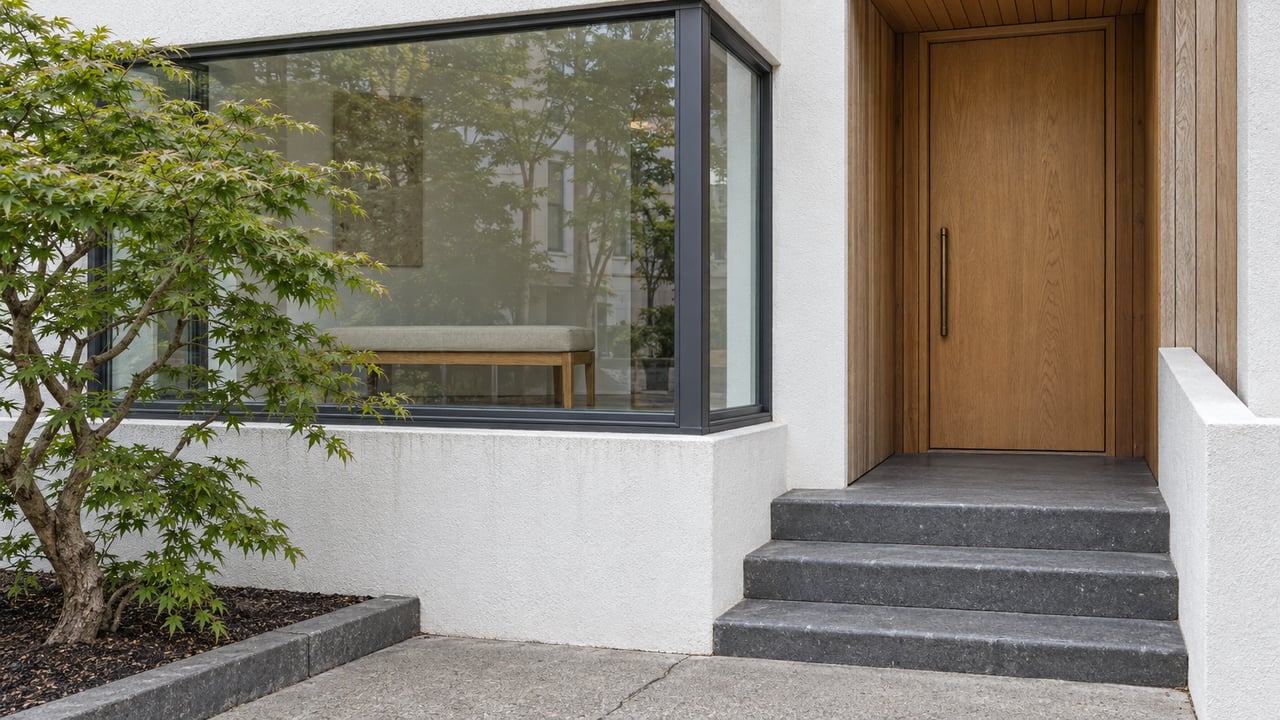
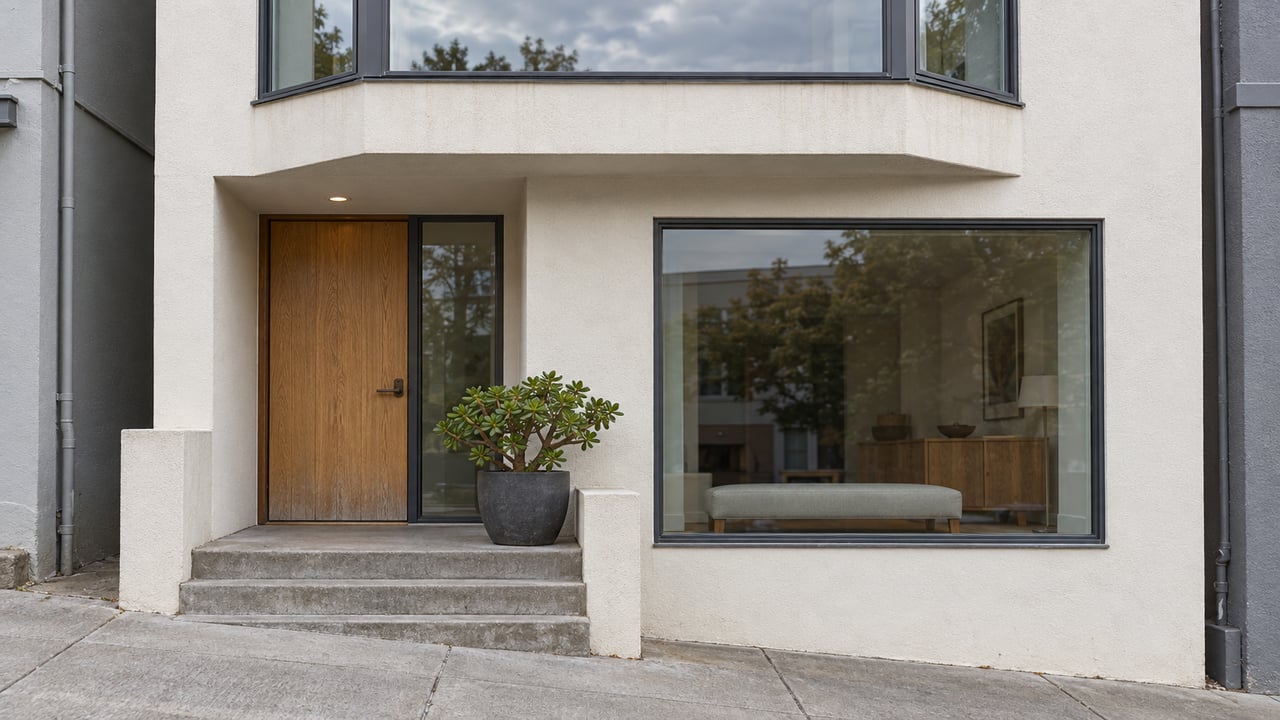
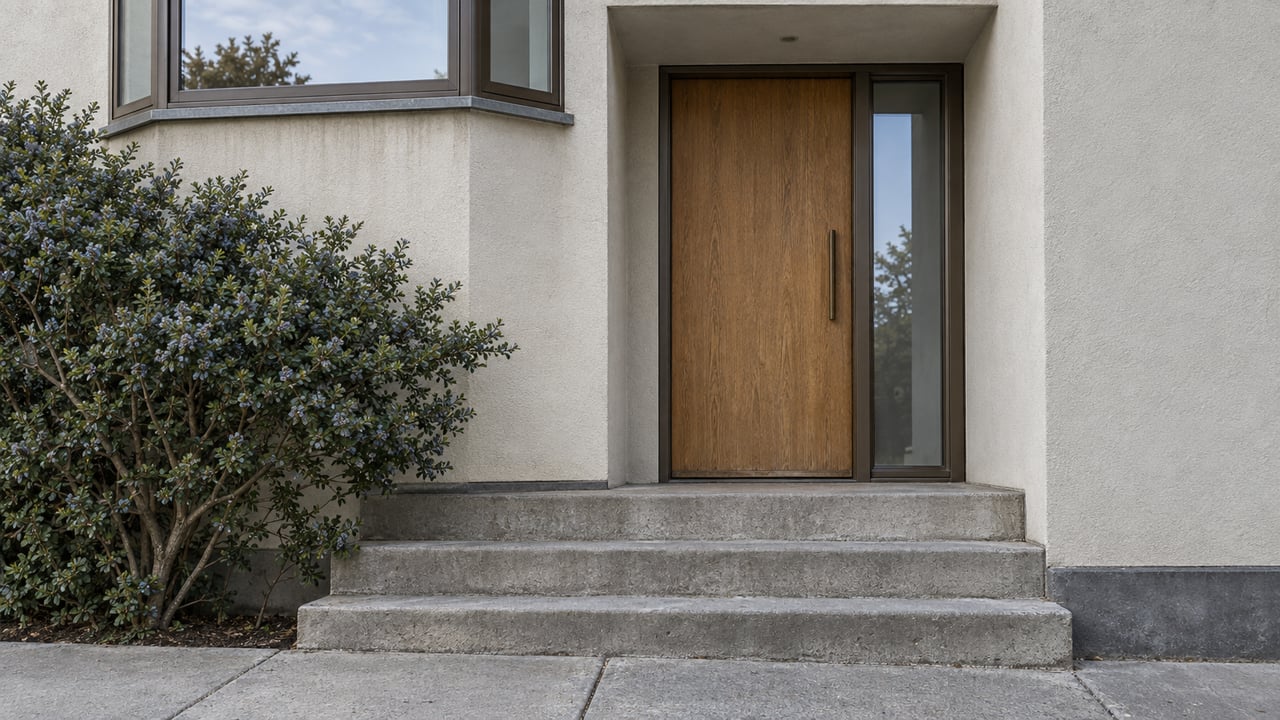
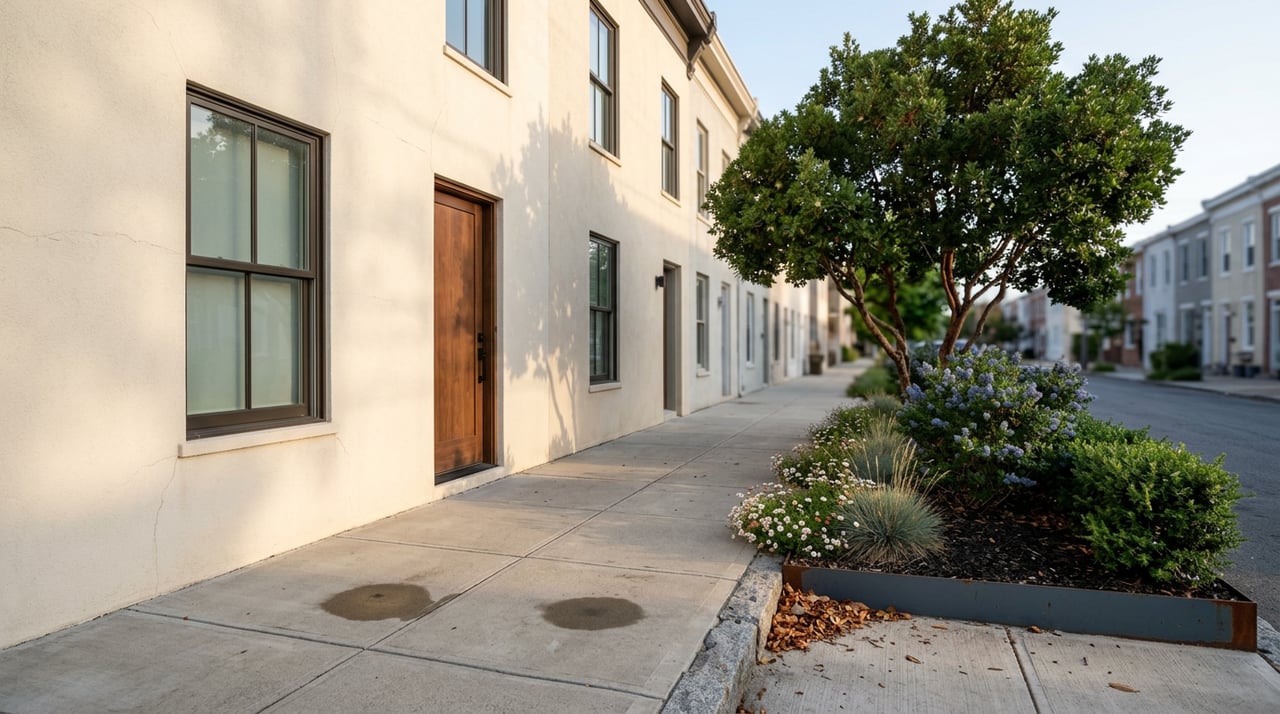
Buyers notice approach and entry first, especially on steep lots. Repair loose front steps and railings, add bright, tasteful entry lighting, and power‑wash sidewalks and stairs so the path reads clean and safe in photos. Small entry updates deliver value, as seen in this room‑by‑room staging guide.
Connectivity and home‑office readiness
Remote and hybrid workers want quiet work zones and solid internet. Document provider options and measured speeds, then include them in your property factsheet. National buyer research continues to place dedicated office space high on wish lists, as noted in Pro Builder’s features buyers want most.
Room‑by‑room staging plan
Exterior and curb
- Power‑wash steps, sidewalks, and retaining walls. Repaint or stain railings and risers where worn.
- Refresh house numbers and entry lighting for brighter photos.
- Add durable pots with low‑water plants to frame the door.
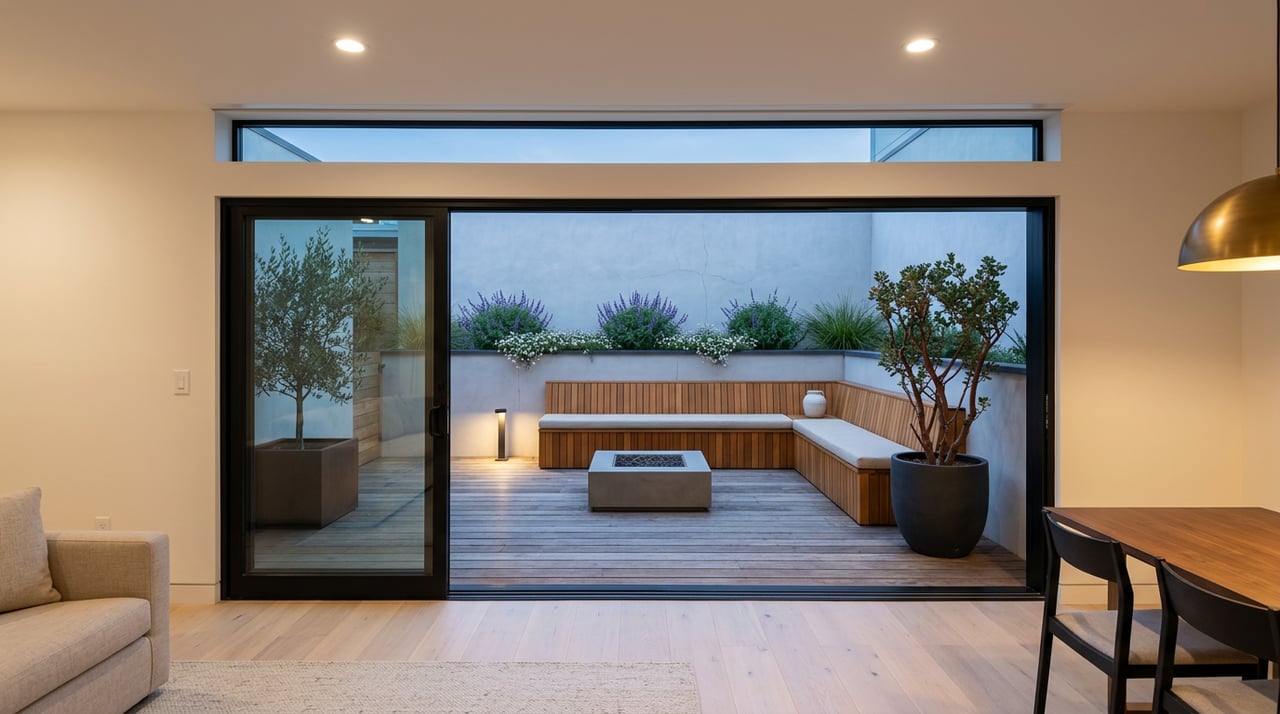
- If space allows, place a single bistro set or bench on a terrace or landing to demonstrate usable outdoor space on a slope.
Living room and main space
- Use low‑profile furniture to preserve sightlines to windows and doors.
- Orient seating toward the best view or outlook.
- Remove visual clutter and personal photos so rooms feel larger and brighter.
- For photos and showings, open window treatments and schedule during strong natural light.
Kitchen
- Deep clean, re‑caulk where needed, and replace any burned bulbs.
- Tighten cabinet hardware; swap dated pulls if cost‑effective.
- Keep counters mostly clear with a few neutral accents.
- Avoid promising renovations; let clean, simple styling sell the function.
Primary and secondary bedrooms
- Make the primary feel calm with neutral bedding and minimal furniture.
- Clear nightstands and remove bulky dressers if they crowd walkways.
- In smaller rooms common to older homes, remove extra beds or desks to show true floor area.
- Stage closets to show storage capacity rather than overflow.
Home office or flex space
- Create a defined, quiet workstation with a desk, task lamp, and cable management.
- If no dedicated room exists, stage a compact nook or landing with a slender desk to show versatility.
- Note internet speeds in your marketing materials to reassure remote buyers.
Decks and terraces
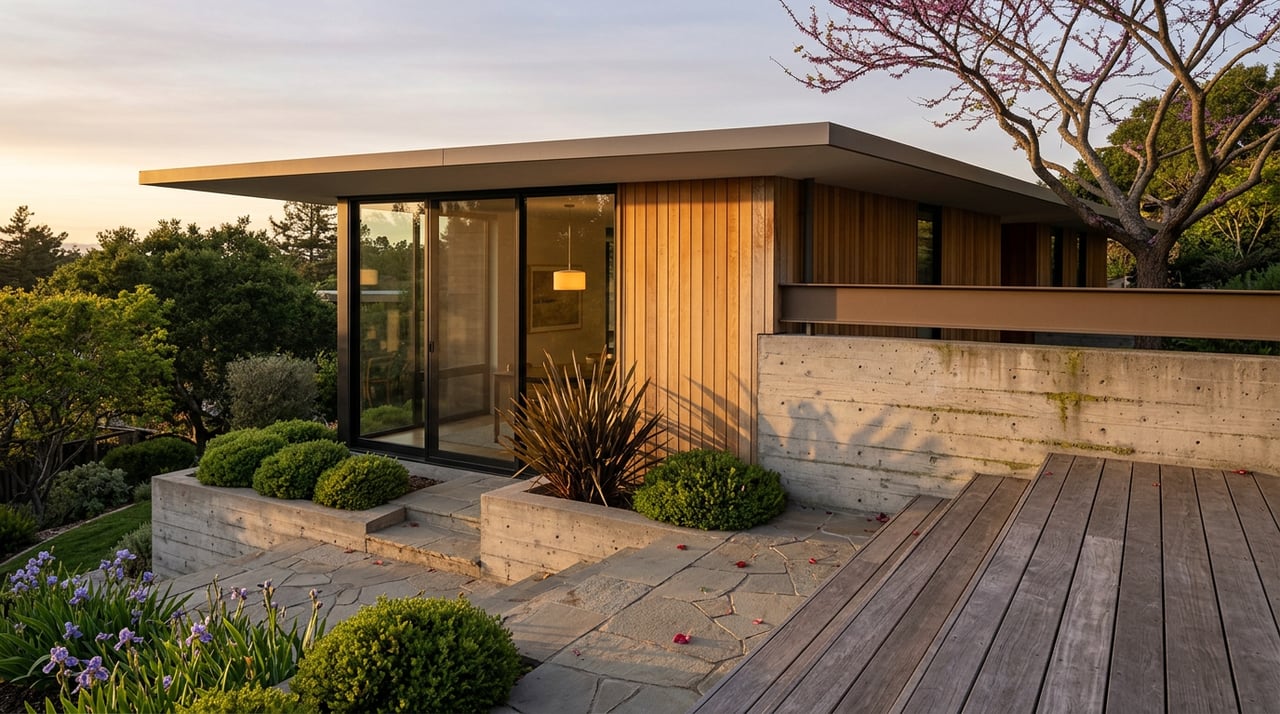
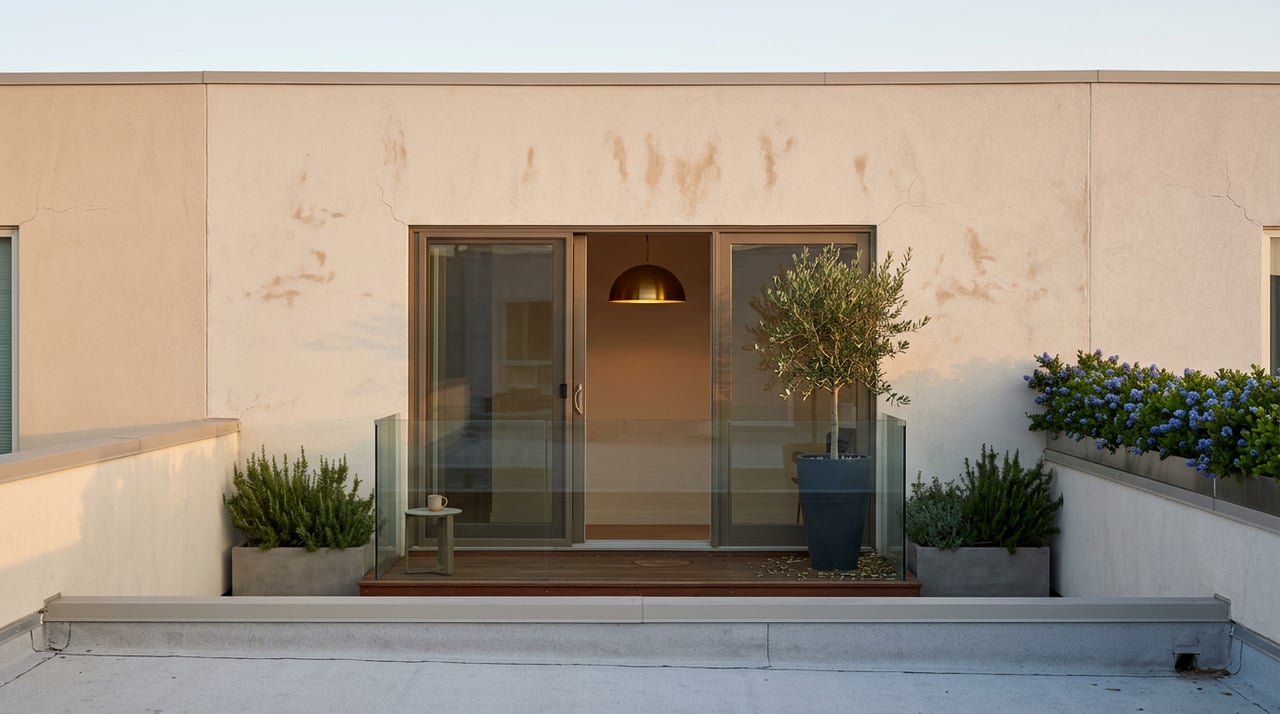
- Treat outdoor areas like another room: simple seating, an outdoor rug, and a few grouped plants.
- Highlight secure railings and open view lines on hillside lots.
- Capture photos at golden hour to make the space warm and inviting. For inspiration, see HGTV’s room‑by‑room staging tips.
Stage for key buyer segments
Young families
- Emphasize storage by decluttering closets and adding simple organizers.
- Define a small play zone in a secondary space without overwhelming it.
- In your factsheet, note proximity to neighborhood parks like Bernal Hill and Precita Park, and highlight the area’s walkability.
Remote and hybrid professionals
- Showcase a quiet, separate workspace and clear room divisions.
- Provide measured internet speeds and provider options.
- Keep work areas uncluttered to help buyers imagine daily routines.
Investors
- If applicable, highlight durable finishes, in‑unit laundry, and low‑maintenance landscaping.
- Disclose rent‑control status early. Many San Francisco units are covered by the Rent Ordinance, which affects rental strategy and underwriting. Review the overview of SF rental laws.
- For short‑term rentals, San Francisco has strict registration and residency rules. Confirm eligibility with the Office of Short‑Term Rental FAQs before positioning STR income.
Costs, ROI, and timeline
- Small prep items: $200 to $800 for deep cleaning, decluttering, paint touch‑ups, and hardware swaps. See project‑by‑budget ideas from Fixr.
- Partial professional staging: roughly $1,500 to $6,000 for key rooms.
- Larger cosmetic work: $5,000 and up for kitchen refreshes, landscape updates, or deck repairs. Actual bids vary by scope and vendor availability.
NAR’s 2025 staging report shows many agents observed faster sales and higher offers after staging. You can scan those benchmarks in the NAR 2025 Home Staging report. Staging is an investment to maximize reach, speed, and price in a competitive market.
Typical timelines:
- Small prep plus photography: 1 to 2 weeks.
- Minor repairs plus staged photos: 2 to 4 weeks.
- Major cosmetic or permitted work: 4 to 12 or more weeks, depending on bids and inspections.
Four‑week seller checklist
Week −4 to −2
- Run a DBI/permit check; gather permits and receipts. Start with SF DBI program info.
- Complete the Transfer Disclosure Statement and consult counsel if unpermitted or complex work exists. See California’s TDS guidance.
- Declutter and depersonalize. Consider short‑term storage.
- Deep clean, touch up paint, and fix lighting and hardware.
- Measure internet speeds; list provider options.
Week −2 to 0
- Install professional or DIY staging in the living room, primary bedroom, and kitchen. Use NAR’s focus rooms from the 2025 Home Staging report.
- Schedule professional photography timed for strong natural light or golden hour for outdoor spaces.
- Build a property factsheet with permit history notes, internet speeds, and neighborhood highlights like parks and Cortland Avenue. Use Walk Score for context.
Showings and open houses
- Keep lighting consistent, scents neutral, and staging vignettes tidy.
- Store personal items offsite.
- Leave during open houses so buyers can focus on the home.
Final thoughts and next steps
In Bernal Heights, the right prep turns light, outlooks, and walkability into real value. A focused plan, clean permit and disclosure file, and room‑by‑room staging help you sell faster and for more while reducing friction in escrow. If you want a local, hands‑on partner to coordinate staging, timing, and pricing, reach out to KJ Kohlmyer to walk the property and map your listing plan.
FAQs
What rooms should Bernal Heights sellers stage first?
- Prioritize the living room, primary bedroom, and kitchen, which NAR identifies as highest impact in its 2025 staging report.
Do I need a permit to repair front stairs before listing in San Francisco?
- Cosmetic work may not, but structural repairs, new railings, or major changes can; check address‑specific rules and start with SF DBI Soft‑Story resources to understand local programs and permit history.
How can I best show off Bernal Heights views and light in photos?
- Use low‑profile furniture, clear window sightlines, open treatments, remove clutter, and schedule photos during strong natural light or golden hour for decks and terraces.
What disclosures are required when selling a San Francisco home?
- Most 1 to 4 unit sales require the California Transfer Disclosure Statement and related forms; review the DRE’s TDS overview and disclose known conditions and unpermitted work.
What is AB 968 and does it affect my flip listing?
- AB 968 adds disclosure duties for recent renovations and flips; see this AB 968 summary and consult your agent and attorney for address‑specific guidance.
How do rent control and short‑term rental rules affect a Bernal Heights sale with tenants?
- Many SF units fall under the Rent Ordinance; review SF rental laws and confirm STR eligibility with the OSTR FAQs before marketing income potential.