Thinking about listing your Noe Valley home and want to go live in weeks without leaving money on the table? You are not alone. Buyers here prize lifestyle, walkability to 24th Street, and homes that feel move-in ready. This playbook shows you what to fix first, how to stage Victorians vs modern builds, which photos and assets convert, and a fast timeline to launch that fits local buyer patterns. Let’s dive in.
Noe Valley buyer snapshot
Noe Valley draws owners who value a neighborhood feel, weekend errands on 24th Street, and strong everyday convenience. Most shoppers want a home that feels turnkey or one with a clear, manageable scope of work. Focus your prep on the features they notice fast.
What local buyers prioritize
- Move-in condition or an easy, clearly defined update plan
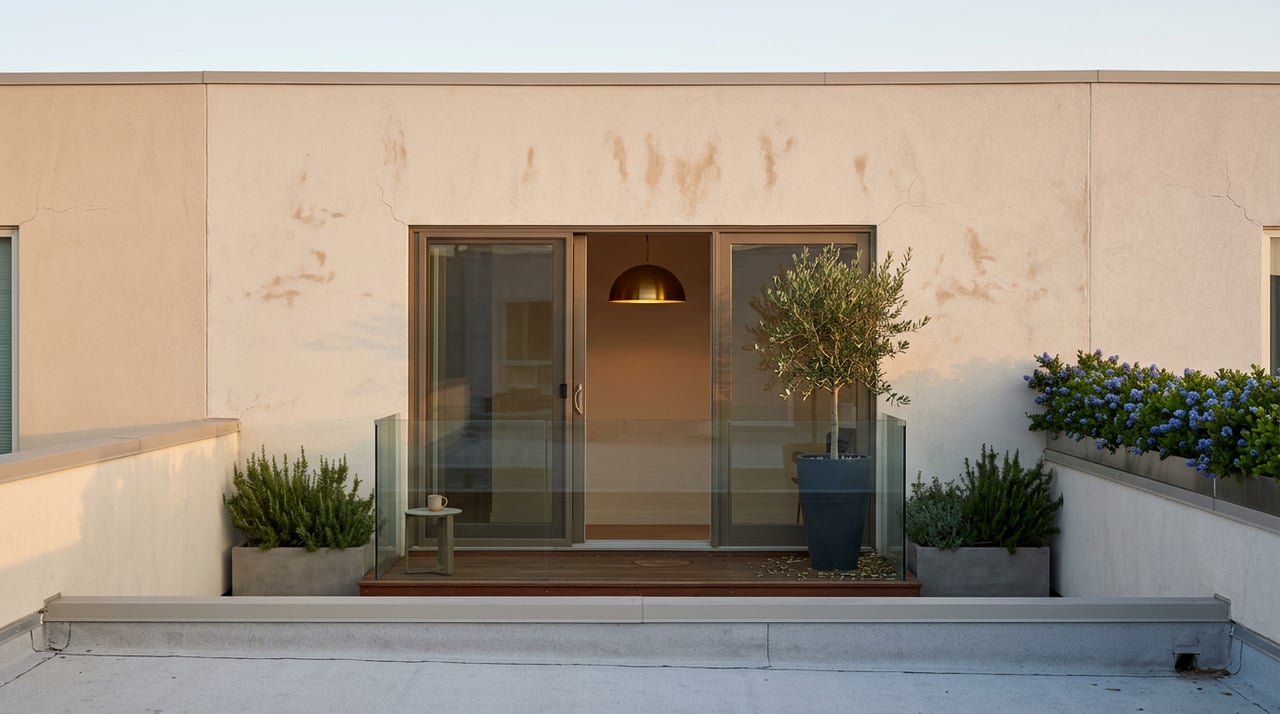
- Outdoor space: yard, patio, or roof deck presented as a usable room
- Storage and parking clarity, including garage and access notes
- Architectural character: period details in Victorians, clean lines in modern homes
- Walkability to 24th Street and simple transit options
Why 24th Street matters
Weekend foot traffic is high, which makes weekend opens powerful for exposure. Working professionals often tour after work, so weekday twilights and broker previews help. Marketing that shows a short walk to cafés, markets, and parks tends to resonate.
What to fix first
Start with items that protect your sale and reduce buyer friction. Safety, function, and disclosure lead the list, followed by cosmetics that photograph well.
- Safety and systems: Confirm smoke and CO detectors, check electrical panels, water heater, furnace, and plumbing. Address obvious hazards.
- Permits and disclosures: Pull permit history early and clarify any unpermitted work. Prepare clean, complete disclosure language.
- Pre-listing inspection: Use it to identify high-impact items so you can repair, credit, or disclose. This reduces escrow surprises.
- High-ROI cosmetics: Touch up paint, repair trim, fix sticky doors, swap failing hardware, and stop minor leaks.
- Service the basics: HVAC tune-up, chimney and gutter cleaning where applicable.
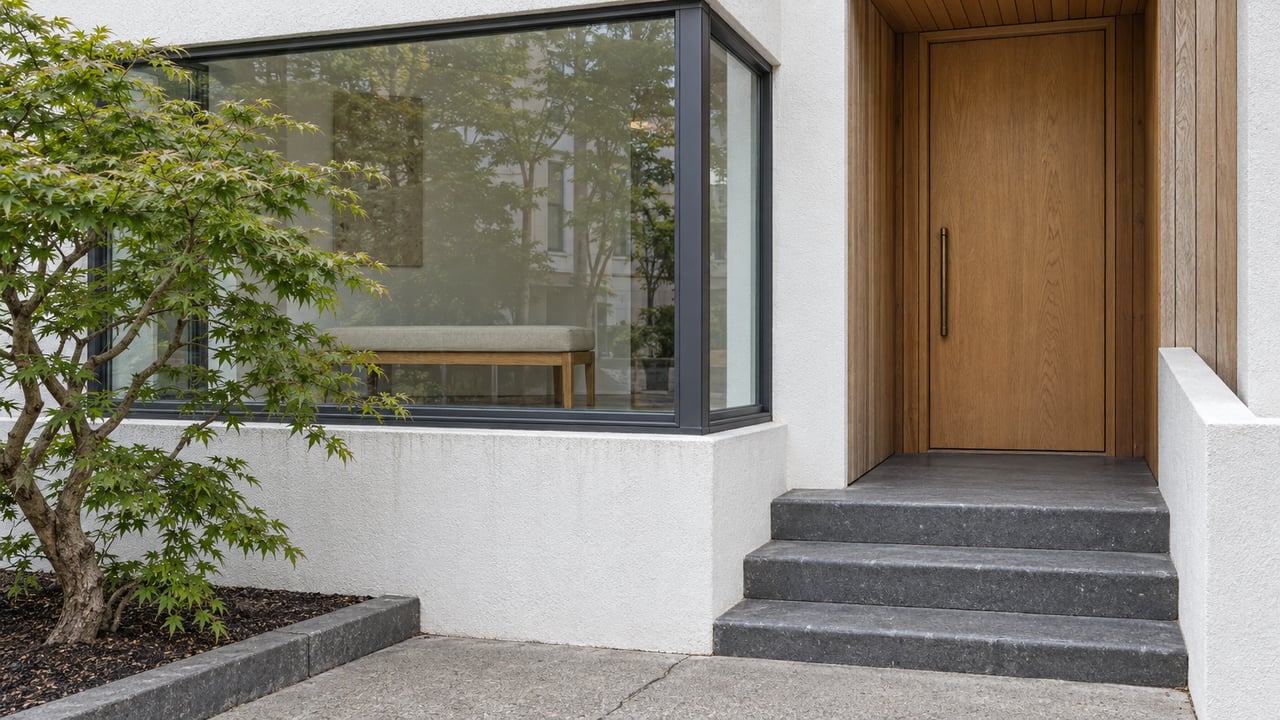
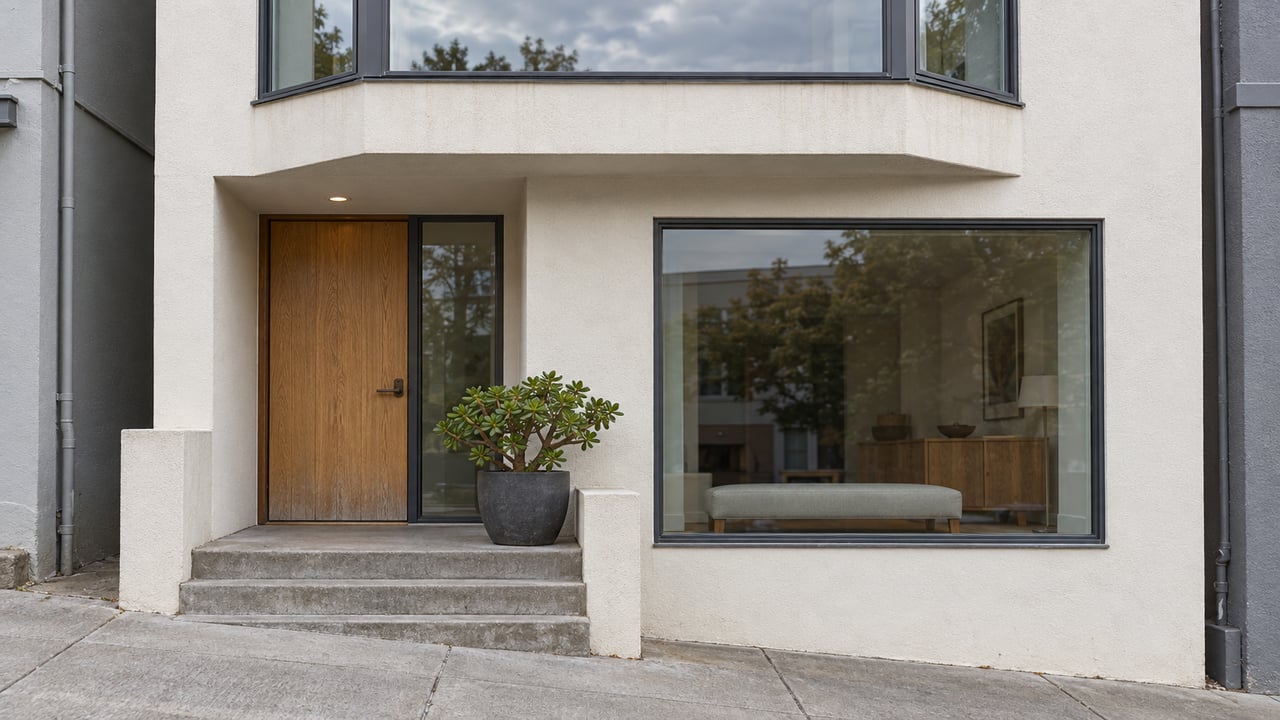
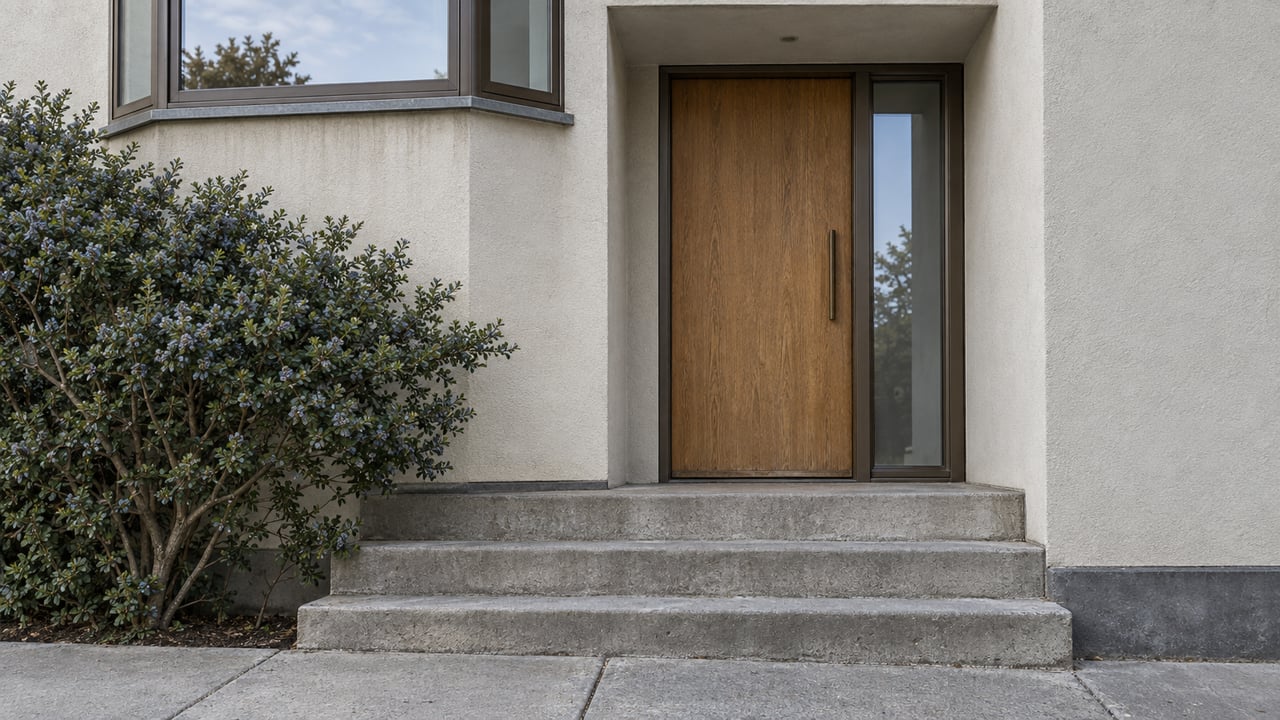
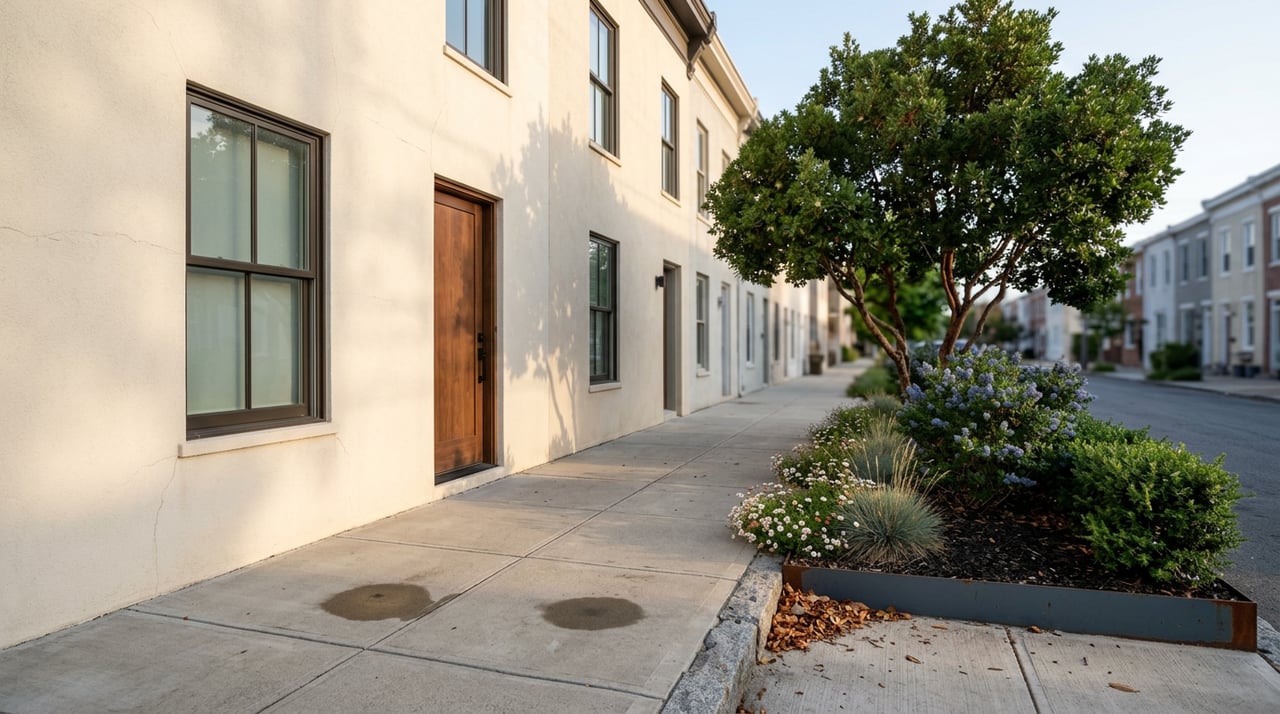
- Exterior and curb appeal: Tidy landscaping, power-wash, freshen the front door and visible house numbers.
Noe Valley watch-outs
Older Victorians may show settlement or foundation notes. If something surfaces, obtain a contractor estimate to include in disclosures. Address moisture in basements or older baths before photography. Clarify garage size, access, and storage with photos or a simple diagram.
Staging that fits your home
Good staging guides the eye, clarifies room function, and invites buyers to imagine daily life. Keep the palette neutral and the focus on space and light.
Shared staging principles
- Declutter and depersonalize to maximize volume and flow
- Clean windows and use warm, neutral bulbs to brighten rooms
- Define every room’s purpose, including a simple home office area
- Keep architectural features visible and highlight them in photos
- Simple curb appeal with a clean entry and tidy planters
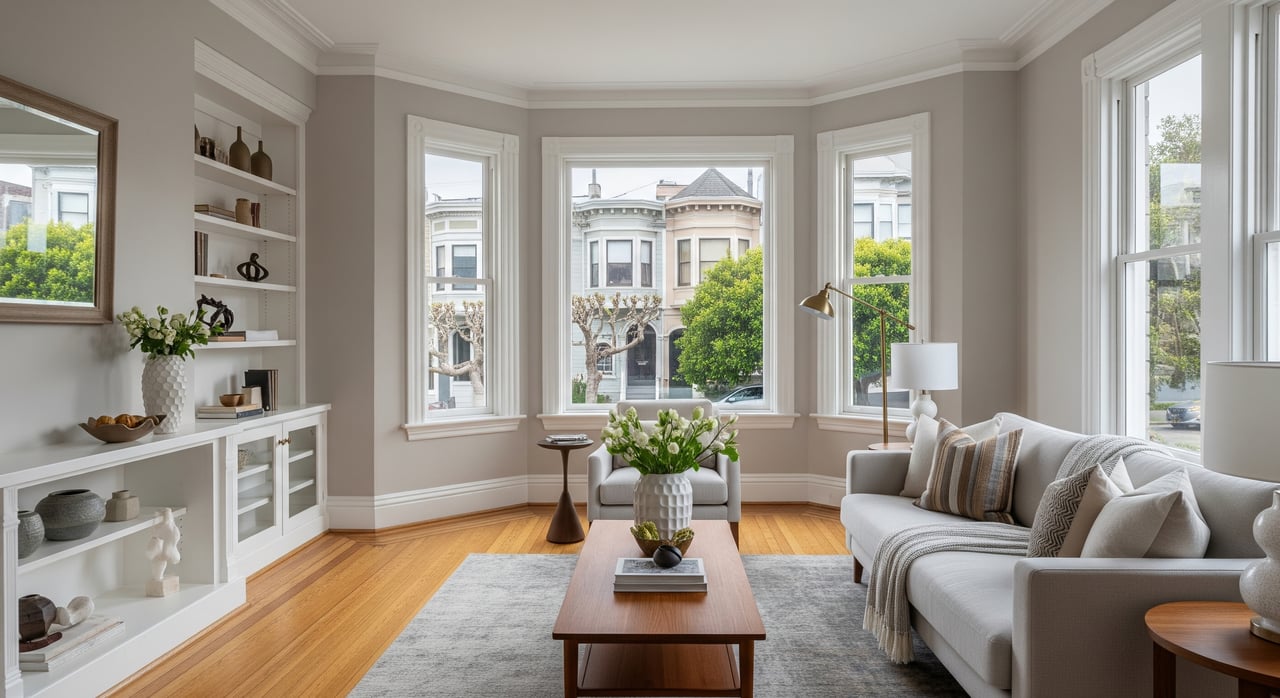
Victorian homes: make charm shine
Use scaled furniture that does not block moldings, bays, or mantels. Choose neutral textiles and subtle period-appropriate accents. Add lighting to lift darker corners and make hallways feel welcoming. Show that classic details pair well with updated kitchens and baths.
Modern builds: keep it minimal
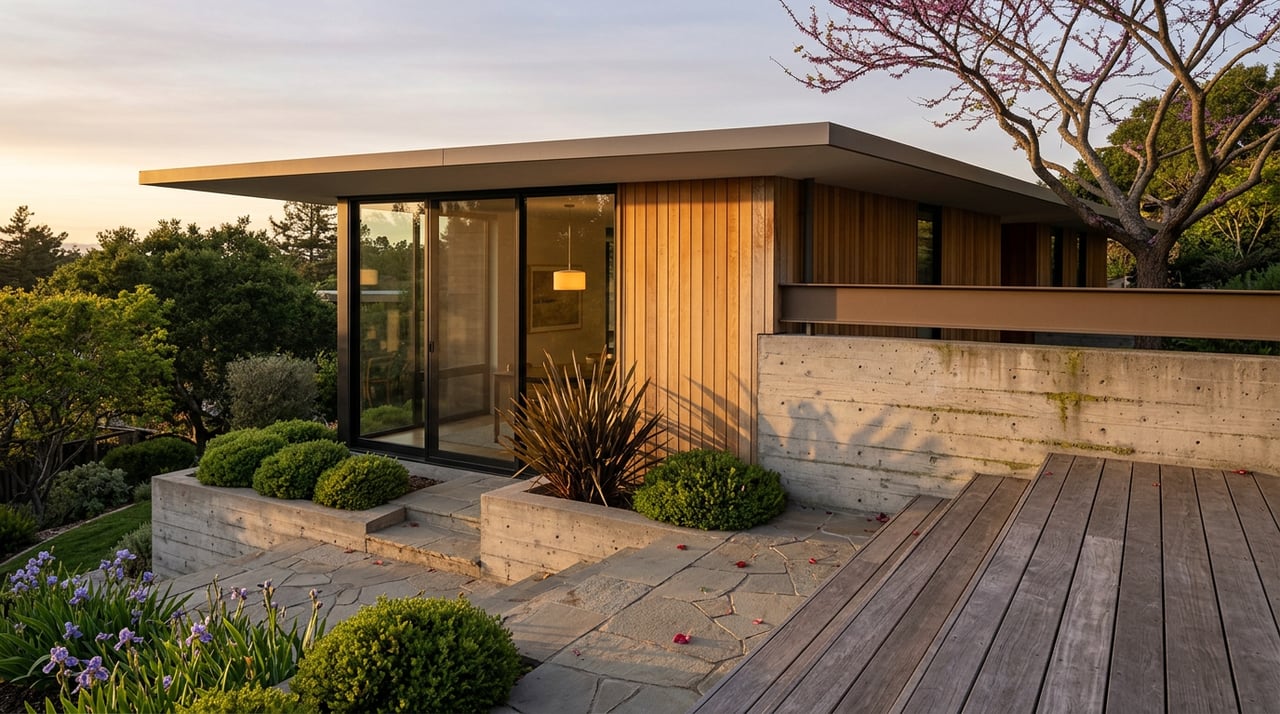
Let openness and materials lead. Use low-profile pieces that preserve sight lines. Stage flexible zones for dining, lounging, and a work nook. Dress outdoor rooms as living and dining areas to sell the lifestyle.
Vacant vs occupied
Vacant properties benefit from full or partial furniture staging to show scale. In occupied homes, focus on editing, reorienting pieces, swapping select art, and neutral bedding. A targeted refresh often achieves most of the impact at a lower cost.
Photo and digital assets that convert
Professional visuals are your online first impression. Plan the shoot after staging so every image supports your story.
- Pro photography of interiors, exteriors, and close-up detail shots
- Floor plan with clear square footage callouts and room labels
- Virtual tour and a short walkthrough video for first-pass screening
- Aerial angles, when permitted, to show roof decks, yard context, and proximity to 24th Street
Photo-day checklist
- Declutter every room; clear counters and hide cords and trash
- Turn on all lights and open window coverings
- Make beds, fluff pillows, and set simple dining or coffee table vignettes
- Sweep steps and decks; stage outdoor seating; remove cars from driveways
- Aim for midday interiors and consider a twilight exterior hero shot
Your 2 to 4 week timeline
A tight, realistic plan keeps momentum high while protecting presentation quality.
- Week 0 to 1: Confirm scope, book stager, photographer, and optional inspector. Start safety fixes and decluttering.
- Week 1 to 2: Complete minor repairs, deep clean, and install staging. Assemble disclosures and permit logs.
- Late Week 2: Shoot photos, floor plan, and virtual tour. Draft listing copy and neighborhood materials.
- Launch: Go live mid-week, hold a broker preview within 24 to 48 hours, then weekend open houses.
Launch strategy tuned to 24th Street
Target local buyers first, then broaden. Make it easy for serious shoppers to engage quickly.
- Neighborhood outreach: local agent network, nearby mailers or door drops, and flyers for a few-block radius
- Digital push: MLS distribution plus social posts that highlight the walk to cafés, shops, and parks
- Open houses: anchor the weekend, then add a weekday twilight for after-work traffic
- Lifestyle content: short clips of the walk to a recognizable 24th Street spot can boost engagement
Pricing and offers
Price using recent neighborhood comps, segmented by property type and adjusted for condition, yard, parking, and period features. In tighter inventory, strategic pricing can catalyze competition. When inventory is higher, emphasize turnkey presentation and lifestyle benefits. Have your disclosures and repair stance ready so you can respond to offers fast.
Costs and vendors at a glance
Line up a team that can execute in weeks and quote quickly.
- Vendors: handyman or contractor, licensed electrician and plumber, stager and furniture rental, pro photographer and videographer, landscaping and cleaning crew, title and transaction support
- Cost ranges: minor repairs, staging scope, and media packages vary; obtain multiple local quotes to compare inclusions and timelines
Risks and compliance reminders
- Permits and unpermitted work can delay escrow if discovered late; research early and disclose clearly
- Over-improving may not return dollar for dollar; prioritize visible, high-impact items
- Verify bed/bath, square footage, and parking details before publishing
- Follow privacy and imaging rules for aerials and adhere to fair housing standards in all marketing
Quick room-by-room focus
- Entry: clear sight line, warm lighting, visible house numbers
- Living room: balanced seating that frames a fireplace or trim
- Kitchen: clear counters, polished hardware, simple barstools or breakfast nook
- Primary bedroom: neutral bedding and bedside lamps, minimal clutter
- Outdoor areas: clean seating zones and tidy planters to show usable space
Ready to list in Noe Valley?
You can go live in weeks with a plan that protects your price and removes friction for buyers. Prioritize safety and disclosure, stage to your home’s architecture, and launch in a way that fits how shoppers actually tour around 24th Street. If you want a tailored, done-for-you plan from a local expert who manages prep, staging, pricing, and marketing, connect with KJ Kohlmyer.
FAQs
Do I need a pre-listing inspection in San Francisco?
- It is optional but helpful, especially for older Victorians, because it identifies high-impact items early so you can choose to repair, credit, or disclose and reduce renegotiation risk.
How much should I renovate before listing in Noe Valley?
- Focus on cost-effective safety fixes, minor repairs, cleaning, and staging; skip large structural projects that could delay launch unless they significantly improve marketability or price.
What disclosures are required for San Francisco home sellers?
- You must provide applicable state and local disclosures and a clear permit history; gather records early and work with your agent and title team to produce a complete, accurate package.
Should I stage a Victorian differently than a modern home?
- Yes; highlight period details with scaled pieces and warm lighting in Victorians, and use minimal, low-profile furniture to preserve sight lines and flexibility in modern builds.
When is the best day to list a Noe Valley home?
- Many agents favor a mid-week launch to build momentum into weekend opens, paired with a broker preview and a weekday twilight showing for after-work buyers.