Mission District Condo and TIC Guide for Smart First-Time Buyers
May 28, 2026
May 28, 2026
Buying your first place in the Mission can feel exciting right up until you hit the condo versus TIC question. Two listings can look similar online, sit on the same kind of block, and still come with very different ownership rules, financing paths, and long-term risks. If you want to buy with confidence in 94110, this guide will help you understand how Mission District condos and TICs work, what to review before you write an offer, and where first-time buyers should slow down and ask better questions. Let’s dive in.
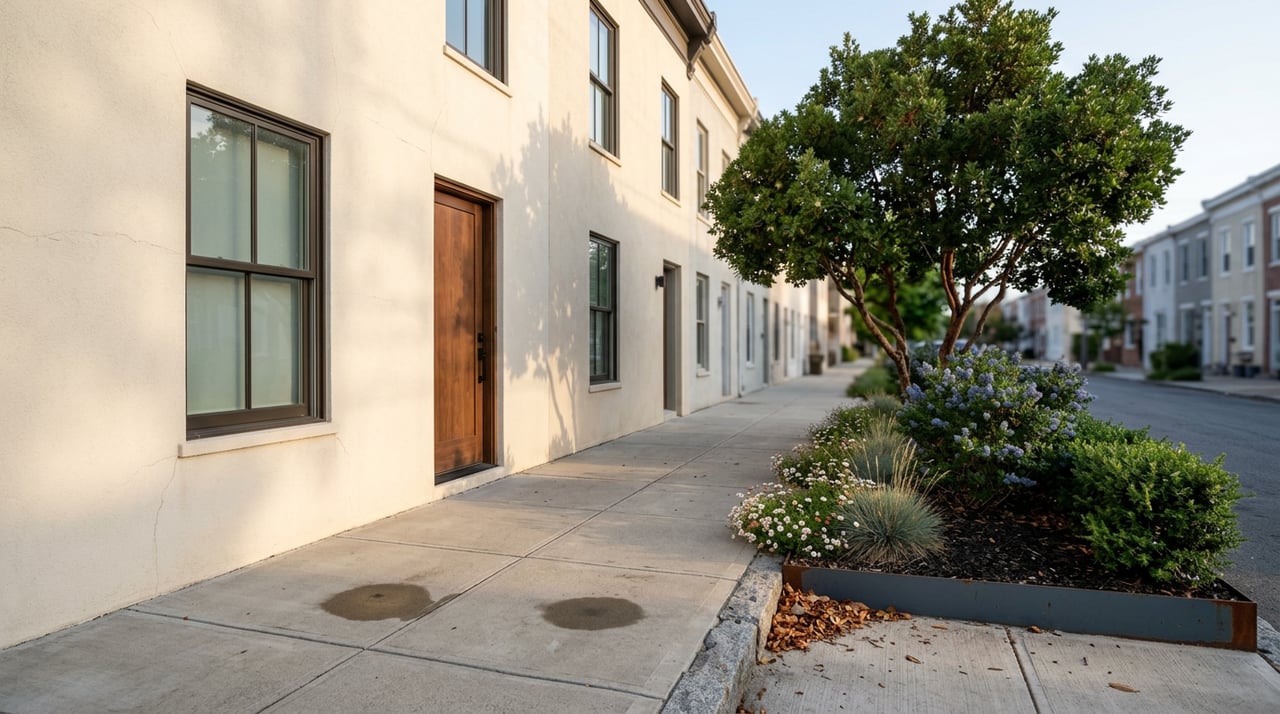
The Mission District has a dense, mixed-use housing pattern shaped by older small-building forms. San Francisco Planning describes a neighborhood fabric that includes wood-frame homes, cottages, row houses, multi-family flats, Edwardian-era flats, Romeo flats, and some newer apartment-style construction.
For you as a buyer, that history matters because many Mission homes are not cookie-cutter properties. A condo may be a legally converted unit in an older building, while a TIC often shows up in a smaller building where co-owners share one parcel and split occupancy rights through a separate agreement. That means the ownership structure is not just paperwork. It can affect taxes, financing, resale, and your comfort level from day one.
A condo is a separate legal parcel. It has its own Assessor’s Parcel Number, or APN, and its own tax bill.
That setup is usually more familiar to first-time buyers and lenders. When you buy a condo, you are buying an individual unit with a defined legal identity, not just a share of a larger parcel.
A TIC, or tenancy in common, is different. In a TIC, co-owners hold interests in a single parcel, and the building is taxed as one parcel.
In San Francisco, when a TIC interest is sold, only the sold percentage share is reassessed at current market value. TIC ownership is typically governed by a TIC agreement that assigns exclusive occupancy rights, explains tax apportionment, and addresses management and financing.
If you are comparing a condo and a TIC at similar price points, the lower-priced option is not always the simpler or less risky one. The structure affects how you finance the purchase, how property taxes are handled, and what could happen if another owner has a financial issue.
That is why one of the first questions to ask on any Mission listing is simple: Are you buying a separate condo parcel or a TIC share in a single parcel? Everything else flows from that answer.
With a condo, your loan approval is not only about your income and the condition of the unit. It can also depend on the health of the larger condo project.
Fannie Mae notes that condo projects can become ineligible because of critical repairs, inadequate insurance, significant pending litigation, or hotel-style and short-term-rental-style operations. HUD also says FHA-approved projects must be complete, in good standing, and compliant with applicable laws, while meeting standards tied to insurance, title, legal issues, and physical condition.
TIC financing does exist in San Francisco, but it is more product-specific and lender-dependent. The California Department of Real Estate guidance also recognizes that TIC arrangements may involve different financing structures, including blanket encumbrances and individual financing.
That makes lender fit especially important. A TIC may work well for one buyer with the right loan product and a clear understanding of the ownership agreement, but not for another buyer who needs a more standard path.
Before you fall in love with a Mission listing, ask whether it is financeable for your loan type. That is especially important if you are comparing condos and TICs in the same search.
A listing price is only useful if the ownership structure and project conditions line up with your financing options. In a competitive San Francisco market, that early clarity can save you time, stress, and money.
If you are buying a condo, monthly dues are only part of the story. California law requires annual budget reporting that includes a pro forma budget and reserve summary, and many associations must update reserve studies at least every three years.
The same law also limits when boards can raise regular assessments or impose large special assessments without member approval. That sounds technical, but the practical takeaway is simple: your review of the HOA documents should go beyond just checking the dues amount.
When reviewing a Mission condo, focus on:
This review matters because project issues can affect both your ownership costs and your financing. Fannie Mae specifically flags inadequate insurance, major repairs, and litigation as reasons a condo project can lose eligibility.
A low HOA fee can look attractive at first glance. But if reserves are thin and the building needs work, you may face a special assessment later.
For first-time buyers, that is often one of the biggest hidden risks in older San Francisco housing stock. In the Mission, where many buildings are older, it is wise to ask not only what the dues are today, but also whether the reserve planning looks realistic.
In a dense San Francisco neighborhood, parking can materially affect price. A San Francisco Planning analysis in another urban area of the city modeled a bundled condo parking space at roughly $100,000, which is not a Mission-specific comp but is a useful reminder that parking can carry significant value.
The key for you is not just whether parking exists. It is whether the parking is deeded, exclusive, and legally transferable.
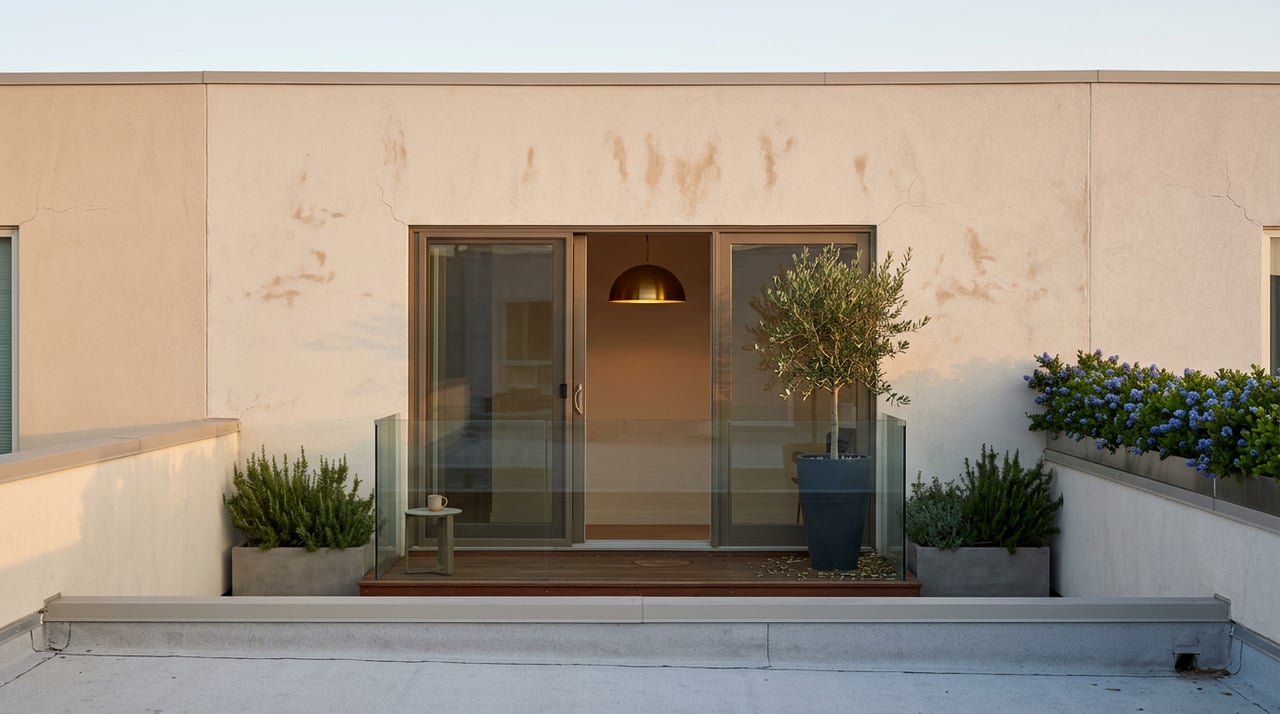
Outdoor space is a major selling point in the Mission, especially when buyers want more breathing room in a dense neighborhood. San Francisco Planning says residential and roof decks are a popular way to access air and outdoor space, but decks more than 3 feet above grade require a building permit and Planning review.
The General Plan also notes that the value of private open space depends heavily on design, and that balconies, terraces, and roof space function best when they are usable and landscaped. In plain terms, a private terrace you can actually enjoy is usually more valuable than vague access to a shared roof area.
If parking or outdoor space is a major reason you like a listing, verify the rights in writing. Confirm whether the feature is:
A shared roof deck or informal parking arrangement should usually carry less value in your analysis than a private, usable, and clearly documented feature.
Some San Francisco condo conversion units are part of the Below Market Rate, or BMR, program. If a listing falls into that category, you need to verify the restrictions before you rely on the asking price or your future resale assumptions.
According to the City and County of San Francisco, the Condo Conversion BMR program dates to 1979 to 1988 conversions. Many post-2009 BMR owners must owner-occupy, and existing owners must follow MOHCD resale procedures.
This is one more reason that first-time buyers should never assume every condo listing works the same way. Restrictions tied to ownership and resale can materially change your plans.
First, confirm whether the listing is a condo or a TIC. That one answer affects tax billing, financing, refinancing, and the legal framework around the property.
If it is a TIC, make sure you understand how occupancy rights, taxes, and management are handled in the TIC agreement.
Do not wait until you are deep in escrow to find out the project has financing issues. Ask whether the property works for your loan type and whether the seller or listing side has information about project-level concerns.
For condos, project litigation, insurance gaps, deferred maintenance, and certain operational issues can all matter. For TICs, lender availability and loan structure are especially important.
When you review disclosures, look at them as both a homeowner and a risk manager. In older Mission buildings, document review helps you understand not just the charm of the property, but the operating reality behind it.
That means budgets, reserves, insurance, and any rights tied to parking or decks deserve close attention.
The right choice is not always condo over TIC, or TIC over condo. The better question is whether the ownership structure, project health, and legal rights line up with your budget, financing path, and comfort level.
That is the real tradeoff many first-time Mission buyers face. A smart purchase is one where the details fit your plan, not just your wishlist.
In the Mission, the details often matter more than the headline. Two homes with similar square footage and similar finishes can come with very different ownership structures, document quality, and long-term costs.
That is where neighborhood-specific experience becomes useful. When you are evaluating older small-building housing stock, condo conversion history, outdoor-space rights, or the practical value of parking, local context helps you make a cleaner decision.
If you are exploring condos or TICs in the Mission and want a grounded read on the tradeoffs, connect with KJ Kohlmyer for practical, neighborhood-focused guidance.
October 15, 2026
October 8, 2026
October 1, 2026

September 24, 2026
September 17, 2026
September 10, 2026
I am a full-service real estate professional who has been buying, selling, and developing property in San Francisco for over 15 years.